

 Passive Fire Protection Service in Qatar,
Fire Safety for Buildings in Qatar: A Complete Guide to Passive Fire Protection Service
Fire safety is very important for any kind of building like a home or an office or a factory. A lot of people think about alarms and sprinklers and fire extinguishers. There is another way to protect buildings from fire. This is called Passive Fire Protection Service in Qatar. It is built into the building itself. It helps to slow down the fire and the smoke. It protects people and things inside the building.
Qatar is building a lot of things. So construction companies and property owners and building managers are thinking more about Fire Protection Services in Qatar.
When a fire happens every minute really counts.
Passive Fire Protection Service in Qatar helps people escape the building safely. It also helps to reduce the damage, to the building from fire.
In this guide we will tell you everything about Passive Fire Protection Service in Qatar. You will learn why it is important. You will learn what it is made of. You will learn how it helps. You will also learn how to choose a good Passive Fire Protection Service in Qatar to keep your building safe.
What is Passive Fire Protection Service in Qatar?
Passive Fire Protection Service in Qatar is about installing materials and systems to help stop fires from spreading. These materials and systems are designed to keep a building safe and prevent smoke from moving during a fire.
Unlike fire protection systems like sprinklers or fire alarms that need to be activated Passive Fire Protection Service in Qatar works on its own. This is because it is built into the building.
Passive Fire Protection Service in Qatar includes things like fire walls and floors. These help keep the fire from spreading to parts of the building.
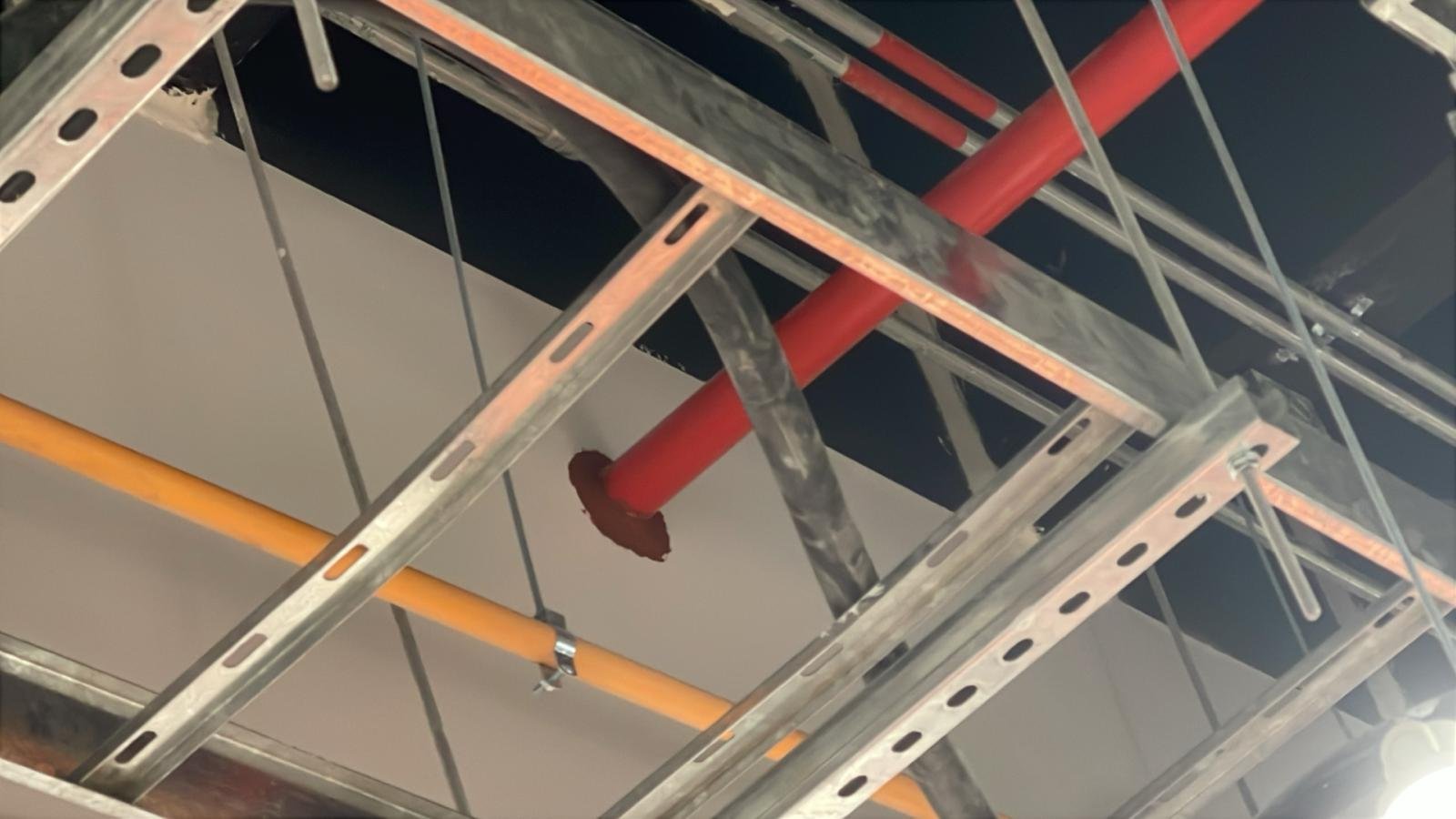
It also includes fire stopping materials that seal gaps and holes in the building. This helps prevent smoke and fire from getting through.
Overall Passive Fire Protection Service in Qatar is a part of keeping people and buildings safe from fires.
The main goal is to:
- Stop fire from spreading
- Protect escape routes
- Reduce smoke movement
- Keep the building stable
- Give people time to get out
- Minimize property damage
Today Passive Fire Protection Service in Qatar is a must for commercial buildings, hospitals, schools, airports, factories and homes in Qatar.
Why Passive Fire Protection Matters
Fire emergencies can get out of control in a few minutes. Without protection flames and toxic smoke can spread rapidly through walls, ceilings, ducts and openings.
Professional Fire Protection Services in Qatar help create fire barriers that contain the fire until help arrives.
Some major reasons Passive Fire Protection Service in Qatar is include:
- Protects lives during emergencies
- Limits damage
- Helps businesses get back to work faster
- Supports insurance rules
- Meets Qatar fire safety regulations
- Improves building safety
Passive Fire Protection Service in Qatar is the first line of defense even before firefighters arrive.
Key Components of Passive Fire Protection
A complete Passive Fire Protection in Qatar solution consists of several systems working together to prevent the spread of fire.
Fire Stopping Service
One of the essential elements is Fire Stopping Service.
Modern buildings have openings where cables, pipes and ducts pass through walls and floors. These openings can become pathways for fire and smoke.
Fire stopping materials seal these openings using products such as:
- Fire sealants
- Fire collars
- Fire wraps
- Fire pillows
- Fire mortar
- Fire-resistant boards
Proper fire stopping helps keep the fire rating of walls and floors after installations.
Fire Resistant Coatings
Steel structures can lose strength quickly in temperatures.
Fire-resistant coatings help:
- Delay steel failure
- Keep the building stable
- Give people time to get out
- Meet project fire rating requirements
These coatings are commonly used in commercial towers, airports, factories and industrial plants across Qatar.
Fire Rated Walls and Partitions
Fire-rated walls divide buildings into separate areas.
Their purpose is to:
- Slow fire spread
- Protect emergency exits
- Reduce smoke movement
- Keep areas working
Proper compartmentation is one of the most effective passive fire safety strategies.
Fire Doors
Fire doors prevent flames and smoke from moving between rooms.
They are specially tested to withstand fire for durations, such as:
- 30 minutes
- 60 minutes
- 90 minutes
- 120 minutes
Fire doors should always be installed correctly and inspected regularly.
Fire Dampers
HVAC ducts can quickly spread smoke throughout a building.
Fire dampers automatically close when high temperatures are detected helping maintain fire compartmentation and improving safety.
Benefits of Passive Fire Protection Service in Qatar
Investing in a good Passive Fire Protection Service in Qatar is an idea. It has long-term benefits.
Enhanced Life Safety
The best part is that it helps save lives. It slows down the spread of fire. Gives people enough time to evacuate safely.
Reduced Property Damage
When a fire is contained it doesn’t cause damage. This means repair costs and less interruption to businesses.
Regulatory Compliance
In Qatar buildings have to meet fire safety rules and construction standards.
That’s where Fire Protection Services in Qatar come in. They make sure everything is installed correctly and meets all the requirements.
Lower Maintenance
Unlike systems passive systems generally need periodic inspections and maintenance rather than continuous operational servicing.
Business Continuity
Containing fire to one section allows businesses to recover faster after an incident.
Industries That Need Passive Fire Protection
every sector benefits from Passive Fire Protection in Qatar.
These include:
Commercial Buildings
- Office towers
- Shopping malls
- Hotels
- complexes
Industrial Facilities
- Manufacturing plants
- Warehouses
- Chemical industries
- Food processing units
Oil & Gas Sector
Qatars energy industry requires passive fire protection because of elevated fire risks.
Applications include:
- Refineries
- Offshore platforms
- LNG facilities
- Processing plants
Healthcare Facilities
Hospitals require compartmentation to protect patients who cannot evacuate quickly.
Educational Institutions
Schools and universities depend on systems to protect students and staff.
How Fire Stopping Service Protects Buildings
Among all passive systems Fire Stopping Service deserves special attention.
Whenever cables or pipes penetrate walls they create points that compromise fire resistance.
Professional fire stopping restores these openings using tested materials.
Common applications include:
- Electrical penetrations
- Data cable openings
- Plumbing pipes
- HVAC ducts
- Cable trays
- Mechanical services
Without fire stopping even a well-designed building can lose its intended fire resistance.
How Passive Fire Protection is Installed
Professional installation generally follows several important steps.
Step 1 – Site Assessment
Engineers inspect the building to identify fire-rated walls, openings, structural steel and areas requiring protection.
Step 2 – Risk Evaluation
Each area is evaluated according to occupancy type and fire hazards.
Step 3 – Material Selection
Suitable certified fire protection products are selected based on the required fire rating.
Step 4 – Professional Installation
Qualified technicians install fire stopping systems, coatings, barriers and related components according to manufacturer guidelines.
Step 5 – Inspection and Documentation
The completed work is inspected, documented and prepared for maintenance planning where required.
Choosing the Right Passive Fire Protection Service in Qatar
Selecting a contractor makes a significant difference in safety and long-term performance.
Look for companies that offer:
- Experienced installation teams
- Certified fire protection products
- Quality workmanship
- Thorough inspections
- Compliance documentation
- Ongoing maintenance support
- Experience across industrial projects
The right provider understands Qatars construction environment and delivers solutions suited to each projects requirements.
Common Mistakes to Avoid
high-quality buildings can face fire safety issues due to avoidable mistakes.
Some common problems include:
- sealed cable penetrations
- Damaged fire doors
- Missing fire dampers
- Incorrect fire sealant installation
- Unapproved materials
- Lack of inspections
- Unauthorized modifications to fire-rated walls
- inspections help identify these issues before they become serious risks.
Maintenance of Passive Fire Protection Systems
Although passive systems require maintenance than active systems they still need periodic inspections.
Recommended maintenance includes:
- Checking fire seals
- Inspecting fire doors
- Verifying compartment walls
- Examining expansion joints
- Reviewing service penetrations after renovations
- Replacing damaged fire protection materials
maintenance ensures the system continues to perform as intended throughout the buildings lifecycle.
Future of Passive Fire Protection in Qatar
As Qatar continues investing in infrastructure the demand for advanced Passive Fire Protection Service in Qatar is expected to grow.
Emerging trends include:
- friendly fire-resistant materials
- Improved intumescent coating technologies
- Digital inspection records
- Smart building integration
- Enhanced compliance documentation
- Better testing standards
These innovations will continue improving building safety while supporting construction practices.
Frequently Asked Questions (FAQs)
1. What is the difference between active fire protection?
Passive Fire Protection Service in Qatar is built into the structure. Works automatically by containing fire and smoke. Active systems, such as sprinklers and alarms require activation during a fire.
2. Why is Fire Stopping Service important?
Fire Stopping Service seals openings created by cables, pipes and ducts preventing fire and smoke from spreading through fire-rated walls and floors.
3. Which buildings require Passive Fire Protection in Qatar?
Most buildings in Qatar need Passive Fire Protection. This includes buildings, industrial buildings, homes, hospitals, schools, hotels and infrastructure projects. The reason is to make sure people are safe from fire and to follow the rules.
4. How often should passive fire protection systems be inspected?
We should check fire protection systems regularly. This is especially important after we make changes to the building add things or change the structure. Checking them on a schedule helps make sure they work well.
5. Can passive fire protection reduce property damage?
Yes it can. Passive Fire Protection helps slow down the fire and smoke. This means it helps prevent damage to the building keeps things safe and reduces the time the business is closed.
Conclusion
Investing in Passive Fire Protection Service in Qatar is a good way to make buildings safer protect the people in them and reduce the problems caused by fires. From Fire Stopping Service and special coatings that resist fire to walls, doors and dampers that’re resistant to fire these systems work together to stop the fire keep the building strong and give people time to leave safely.
As more buildings are constructed in Qatar reliable Fire Protection Services in Qatar are becoming a part of building design and maintenance. To keep your property safe you should choose professionals who know what they are doing use materials that are certified for fire protection and check the systems regularly. Whether you are in charge of a building, an industrial facility, a hospital or a residential complex using comprehensive Passive Fire Protection in Qatar is a good investment, in safety following the rules and having peace of mind for a long time.
